


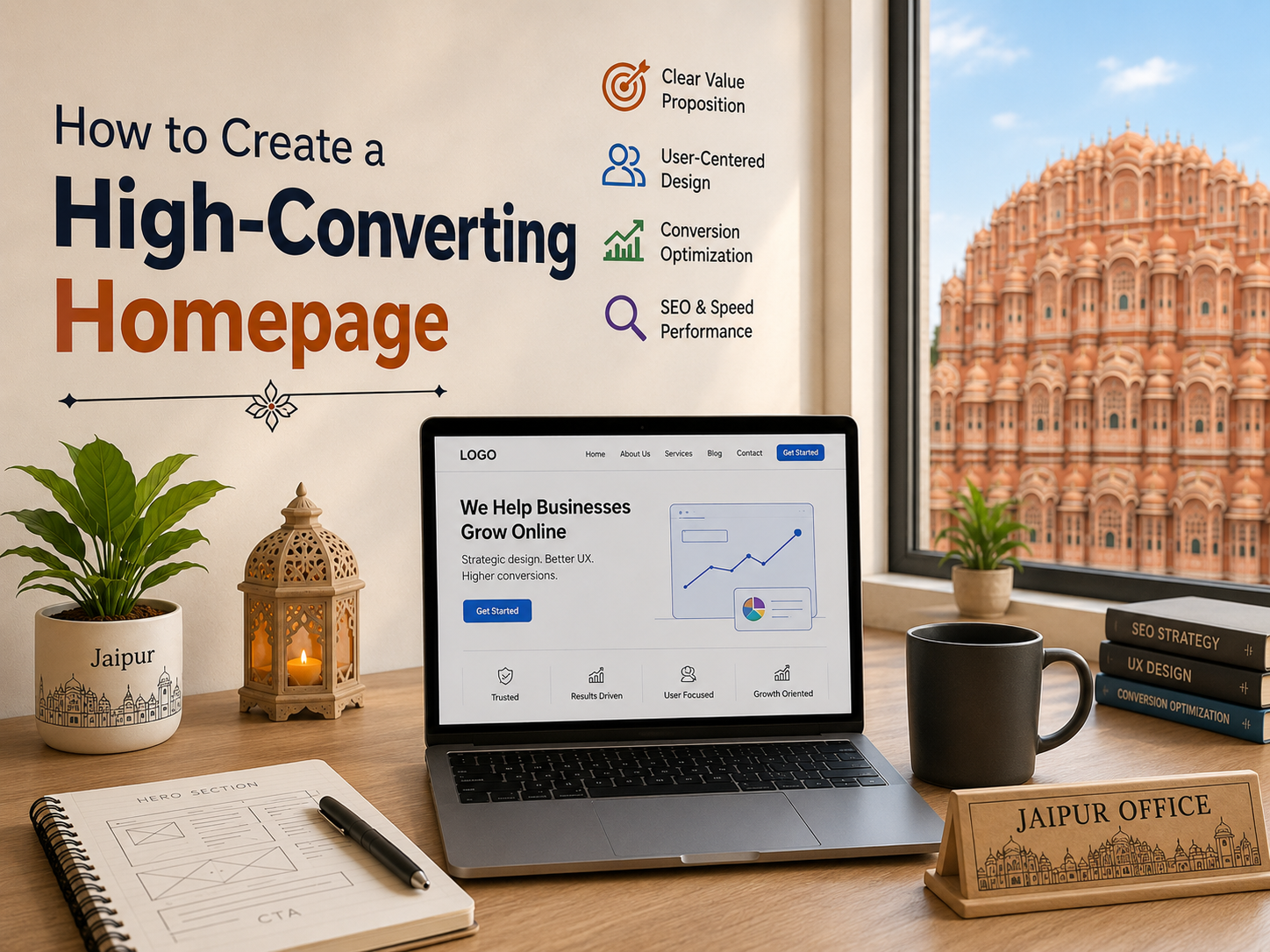
How to Create a High-Converting Homepage
Your homepage is the digital front door of your business. Within a few seconds, visitors decide whether they want to stay on your website, trust your brand, or leave and choose a competitor. This is why creating a high-converting homepage is no longer optional for businesses that want to grow online. A homepage should not only look attractive, but it should also guide users toward taking action.
Many business owners focus heavily on aesthetics while ignoring user behaviour, loading speed, SEO, and conversion psychology. A homepage that looks beautiful but fails to convert visitors into leads or customers is simply not doing its job. The real purpose of a homepage is to communicate value quickly, build trust instantly, and move visitors through the buying journey naturally.
At, we have worked with businesses across different industries and discovered that the best-performing websites combine strategy, SEO, design, and user experience into one seamless system. If you want to learn how to create a high-converting homepage, this guide will walk you through everything you need to know.
A successful homepage starts with clarity. Users should immediately understand who you are, what you offer, and why your solution matters. Confusing layouts, weak messaging, and poor structure often increase bounce rates and reduce engagement. This is why homepage optimisation begins with understanding your audience and designing every section around their intent.
The headline is the first thing visitors notice. Strong headlines focus on benefits instead of generic statements. A powerful homepage headline communicates the transformation your business offers. Businesses that invest in conversion-focused website design usually use headlines that address customer pain points directly.
For example, instead of saying “Welcome to Our Website", a stronger message would explain the exact outcome users can expect. This approach immediately improves homepage conversion rate optimisation because users feel understood.
The structure of your homepage also matters more than most businesses realise. Great website homepage design follows a clear flow that guides visitors from curiosity to trust and finally toward action. This is where strategic homepage layout ideas become essential. Every section should answer a specific question in the visitor’s mind.
The top section of the homepage should contain a compelling value proposition, a clean design, and a strong call-to-action. Businesses that understand homepage CTA best practices use action-driven language like “Get Started", “Book a Free Consultation", or “Request a Quote". The CTA should stand out visually without overwhelming the page.
Another major factor behind the best homepage design is simplicity. Modern users prefer websites that are easy to navigate and visually clean. A cluttered homepage creates confusion and hurts conversions. This is why brands increasingly prefer clean homepage design and minimal homepage layout approaches that focus on clarity.
Good design is deeply connected to user experience. Effective homepage UX design ensures visitors can easily find information, navigate pages, and complete actions without friction. Businesses investing in website UX optimisation often see higher engagement and lower bounce rates because users enjoy interacting with the website.
A critical part of homepage user experience is mobile responsiveness. Today, most traffic comes from smartphones, which means your website must provide a seamless mobile experience. A mobile-friendly homepage is essential for both SEO and conversions. Google prioritises mobile usability, and users quickly abandon websites that do not load or display properly on mobile devices.
This is where responsive homepage design becomes crucial. Responsive websites automatically adjust layouts across devices and screen sizes. Businesses focusing on mobile homepage optimisation often experience better lead generation and customer retention.
Speed is another conversion factor that directly affects rankings and user satisfaction. A fast-loading homepage improves user engagement and helps reduce abandonment. Visitors expect websites to load within seconds. Slow websites lose traffic, rankings, and revenue.
Google’s ranking system also considers speed metrics like Core Web Vitals' homepage performance. Businesses investing in homepage page speed optimisation gain an advantage in both SEO and user experience. Faster websites create smoother browsing experiences and increase trust.
SEO should never be separated from design. A visually stunning homepage without optimisation will struggle to attract traffic. Effective homepage SEO optimisation involves strategic keyword placement, optimised headings, structured content, internal linking, and technical performance.
To improve visibility, businesses must focus on homepage keyword optimisation naturally throughout the content. Overstuffing keywords damages readability and hurts rankings. Instead, keywords should flow naturally within valuable content that answers user intent.
A truly SEO-friendly homepage includes optimised headings, compelling meta tags, proper schema, fast loading speed, and mobile responsiveness. Strong homepage meta tags improve click-through rates from search engines, while effective on-page SEO homepage practices help search engines understand the page better.
Content quality is equally important. Strong homepage content optimisation ensures every word contributes to conversions and user engagement. Clear messaging, concise sections, and benefit-focused copywriting significantly improve performance.
Businesses looking to dominate search rankings should also pay attention to SEO website structure. Search engines reward websites with organised navigation and logical hierarchy. A properly structured homepage improves crawling and indexing while helping users navigate easily.
One overlooked factor in homepage search rankings is trust. Search engines increasingly prioritise websites that users trust and engage with. This means adding testimonials, reviews, certifications, and case studies can improve both SEO and conversions. These trust elements on the homepage reassure visitors that your business is credible.
The psychology behind conversions matters more than flashy visuals. A great homepage conversion strategy focuses on removing hesitation and increasing confidence. When users feel safe, informed, and guided, they are far more likely to convert.
The visual hierarchy of a homepage also plays a major role in user behaviour. Strong homepage visual hierarchy ensures users notice the most important information first. Effective design uses contrast, spacing, typography, and section arrangement to guide attention naturally.
Businesses seeking homepage design inspiration often make the mistake of copying competitors without understanding strategy. The best-performing websites are built around unique customer journeys. Understanding your audience helps create better website user journey experiences that lead users toward conversion naturally.
Modern websites also focus heavily on emotional connection. Strong storytelling, personalised messaging, and relatable content create stronger engagement. This is one reason why creative homepage design has become increasingly important for brands wanting to stand out in crowded markets.
For startups and local businesses, the homepage becomes even more critical because first impressions often determine whether users trust the company. Effective small business homepage design should communicate professionalism while remaining approachable.
A strong homepage for a local business should highlight local credibility, service areas, reviews, and easy contact options. Businesses that combine local SEO with conversion-focused design often achieve better lead generation results.
Similarly, homepage ideas for startups should focus on innovation, clarity, and differentiation. Startups need homepage messaging that quickly explains what makes them unique in the market.
The role of conversion optimisation continues beyond visual design. Businesses serious about growth invest in conversion rate optimisation services to continuously improve performance through testing and analysis. Small changes to headlines, buttons, layouts, and forms can significantly increase conversions.
This is why professional CRO agency services have become essential for brands looking to scale online. Data-driven optimisation removes guesswork and improves results consistently.
Many businesses eventually realise their current website is holding them back. In such cases, investing in homepage redesign services can transform business performance completely. A strategic redesign focuses on user behaviour, SEO, speed, and conversions instead of aesthetics alone.
Companies seeking website redesign for conversions often discover that outdated layouts, poor navigation, and slow performance were silently reducing leads for years. A well-planned redesign can dramatically improve user engagement and sales.
At [Company Name], we specialise in professional homepage design that combines SEO, performance, and conversion strategy into one powerful digital experience. As a trusted UI/UX design agency, we focus on creating websites that not only look modern but also generate measurable business growth.
An effective homepage should also guide visitors into the next step of the sales funnel. Whether your goal is calls, signups, purchases, or enquiries, every section should support the broader website conversion funnel.
Businesses that understand homepage lead generation ideas create strategically placed forms, CTAs, and lead magnets that encourage action without overwhelming visitors.
Strong engagement also depends on interaction and readability. Effective homepage engagement strategies include concise copy, visual balance, compelling headlines, and meaningful CTAs.
Another important factor in how to improve homepage conversions is reducing distractions. Too many popups, unnecessary animations, and excessive text often reduce clarity. Simplicity improves focus and helps users take action faster.
Accessibility should also be part of every homepage strategy. Businesses implementing homepage accessibility tips create inclusive experiences that work for all users, including those with disabilities. Accessibility improvements also contribute positively to SEO and usability.
Today’s users expect premium digital experiences. This is why modern homepage design trends emphasise speed, simplicity, interactivity, and personalisation. Businesses investing in better user experiences consistently outperform competitors with outdated websites.
For service-based companies, homepage design for services should clearly communicate expertise, results, and trust. Service businesses often convert better when they include testimonials, service benefits, and easy inquiry forms on the homepage.
Agencies, in particular, benefit from a highly strategic homepage. A strong homepage for a digital marketing agency should showcase results, case studies, services, and authority clearly. Visitors need immediate proof that the agency can deliver results.
Businesses wanting long-term online growth should view homepage design as an investment rather than an expense. A poorly optimised homepage silently loses leads every day. On the other hand, a strategically optimised homepage works as a 24/7 sales system.
If your goal is to increase homepage conversion rate, every detail matters. Design, speed, SEO, copywriting, structure, and user psychology must work together seamlessly.
The future of digital growth belongs to businesses that prioritise user experience and performance. Companies focusing on business website optimisation are building faster, smarter, and more conversion-focused digital experiences.
Whether you are launching a new business website or planning a redesign, the right homepage strategy can completely transform your online presence. Understanding how to design a homepage that converts means understanding both technology and human behaviour.
A successful homepage does not happen by accident. It is the result of research, testing, SEO strategy, UX design, and conversion optimisation working together.
If your current website is not generating enough leads or sales, now is the time to rethink your strategy. Investing in expert website conversion services and strategic homepage audit services can reveal hidden opportunities that improve business performance dramatically.
At [Company Name], our team helps businesses create powerful, conversion-driven websites built for SEO growth, user engagement, and long-term scalability. From responsive website optimisation to advanced homepage technical SEO, we create websites designed to perform in competitive markets.
The difference between an average website and a successful one often comes down to strategy. Businesses that prioritise business conversion optimisation consistently generate more leads, higher engagement, and better revenue growth.
If you truly want to learn how to increase website conversions, start by improving the homepage experience. Your homepage is more than just a design element. It is your first sales conversation with every potential customer.
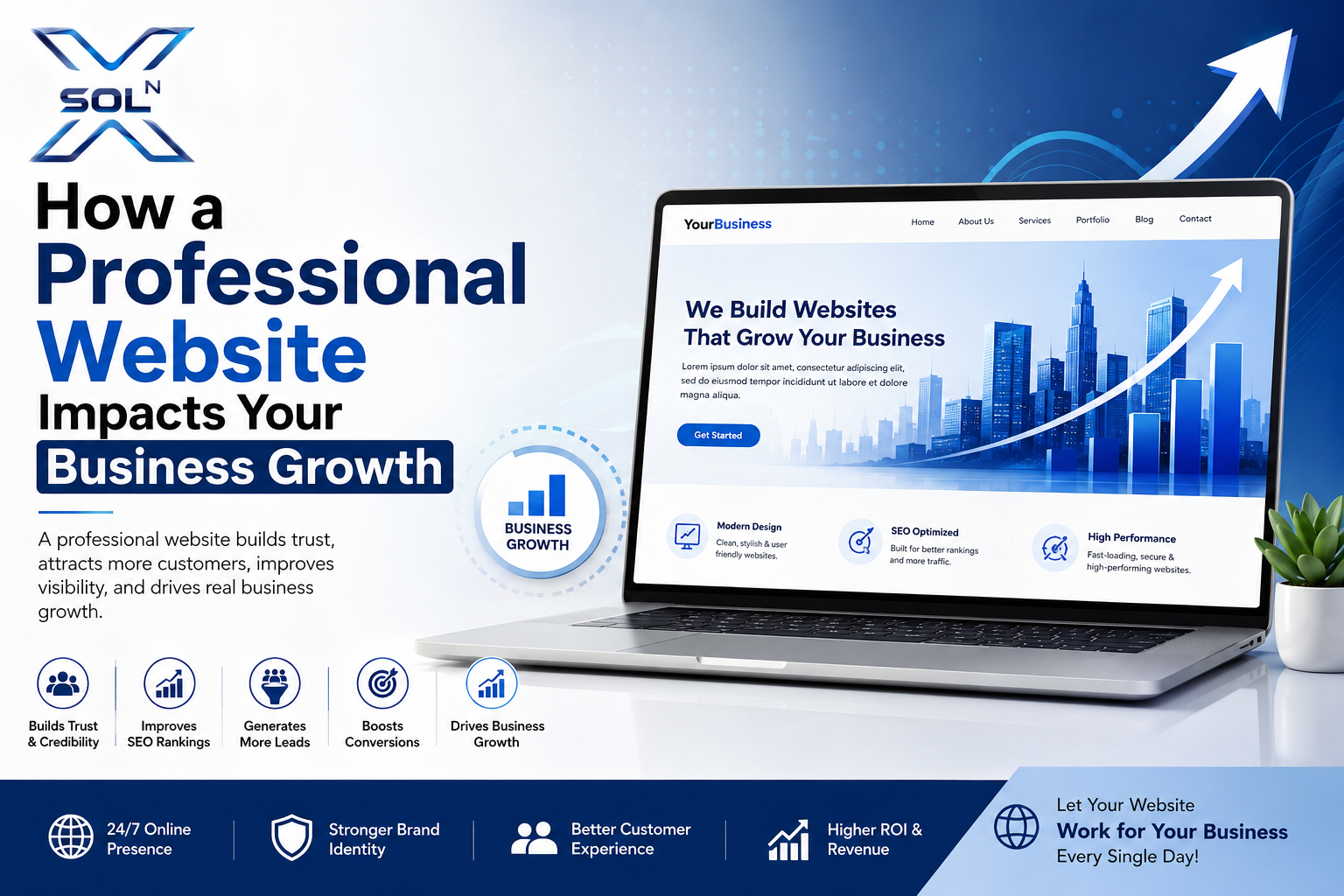
A professionally optimised homepage builds trust, improves visibility, strengthens branding, and increases conversions. That is why businesses worldwide are investing in smarter conversion-centred design strategies to stay ahead in increasingly competitive digital markets.
The brands dominating Google rankings today are not necessarily the biggest companies. They are the businesses delivering the best user experiences, strongest messaging, fastest performance, and most strategic optimisation.
Creating a homepage that converts is no longer about trends alone. It is about building a seamless experience that aligns SEO, UX, branding, and conversion psychology into one unified system.
When all these elements work together, your homepage becomes your most valuable digital asset.






Leave a comments: